


Hospital Unimed Litoral – Itajaí / SC
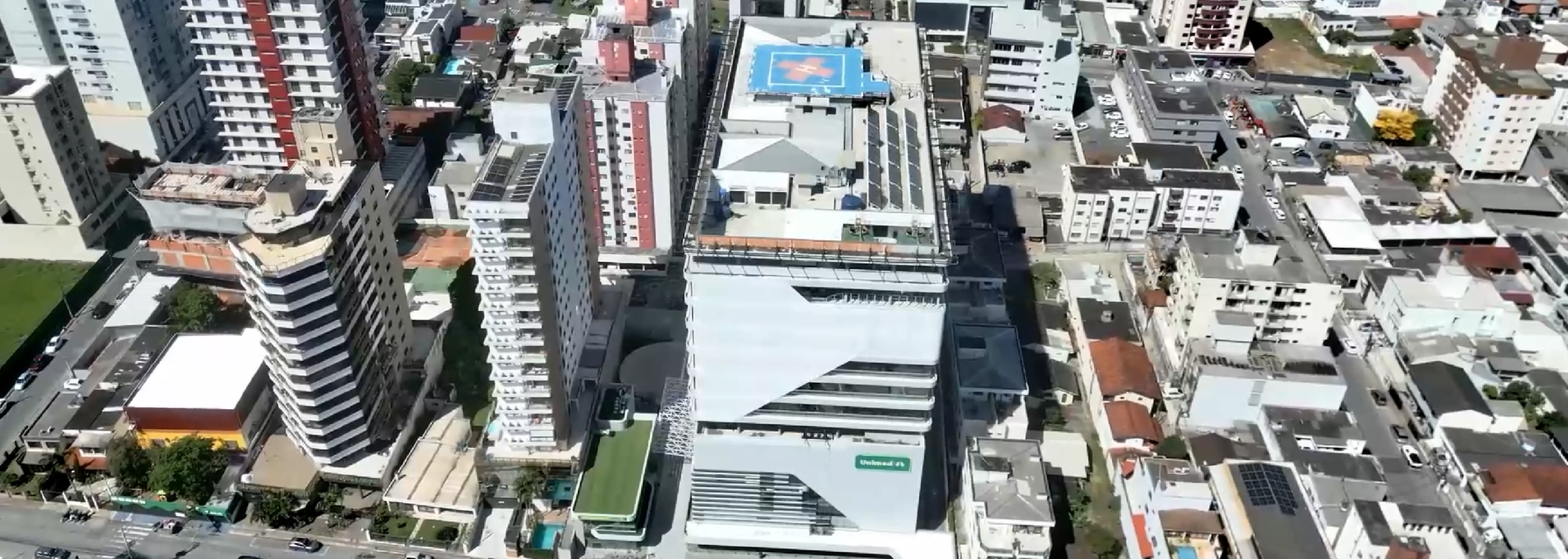

Unimed Litoral, located in Itajaí, Santa Catarina, inaugurated a hospital based on a 100% digital concept, designed to operate with high availability, full system integration, and real-time performance.
In a dynamic healthcare environment—where departments evolve, structures are constantly adapted, and new network points need to be activated quickly—the infrastructure needed to be flexible, secure, and prepared to grow without interruptions.
To meet these demands, the project was developed in partnership with ZF Redes, using Nokia technology and the Laserway solution, a reference in high-performance optical networks.
The implemented solution, Laserway by Lightera, is based on a 100% optical architecture using a structured branching distribution model. This approach significantly reduced cabling volume, simplified the infrastructure, and accelerated deployment time.
As a result, the network became lighter, more efficient, and ready to support the critical demands of the hospital environment. Key project outcomes include:
-More than 3,000 structured network points
-Modular and scalable architecture
-Future expansion with no operational downtime
-Reduction of active equipment, racks, and cooling requirements
-Up to 70% energy savings
-Infrastructure lifespan up to 4x longer than conventional networks
-Improved operational efficiency and infrastructure simplification
The project also included a customized ONU concentration panel, centralizing network distribution into a single structured point.
This approach reduces the need for active equipment in workstations and clinical areas, simplifying maintenance and improving infrastructure organization—critical factors in healthcare environments, where interventions must be minimized.
Nokia’s management platform provides full network visibility, enabling continuous monitoring and rapid incident response. Integration into a single management environment enabled:
-Faster fault diagnosis
-Identification of operational bottlenecks
-Agile response from the IT team
With this infrastructure, the hospital now operates with a highly available network, continuously monitored in real time and ready for ongoing expansion—without impacting operations.
The result is a robust, scalable, and efficient technological foundation capable of supporting the evolution of the hospital and ensuring stability for critical systems.
Watch the video and learn more about this innovative project!

Discover other Success Stories
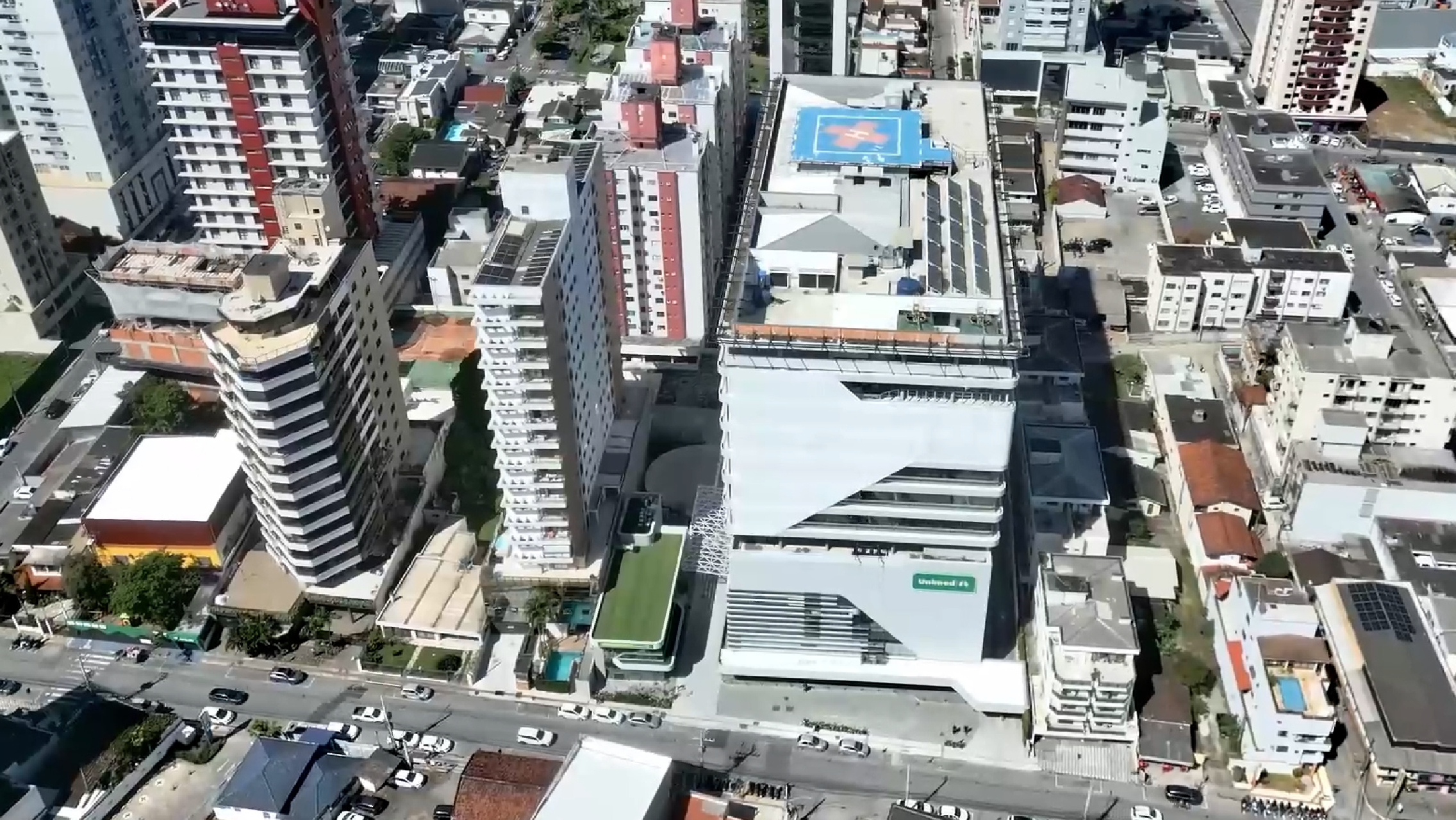
Hospital Unimed Litoral – Itajaí / SC
Read now
TCE Paraná
Read now

São José dos Pinhais Digital Shield
Read now
Hotel Premium Campinas
Read now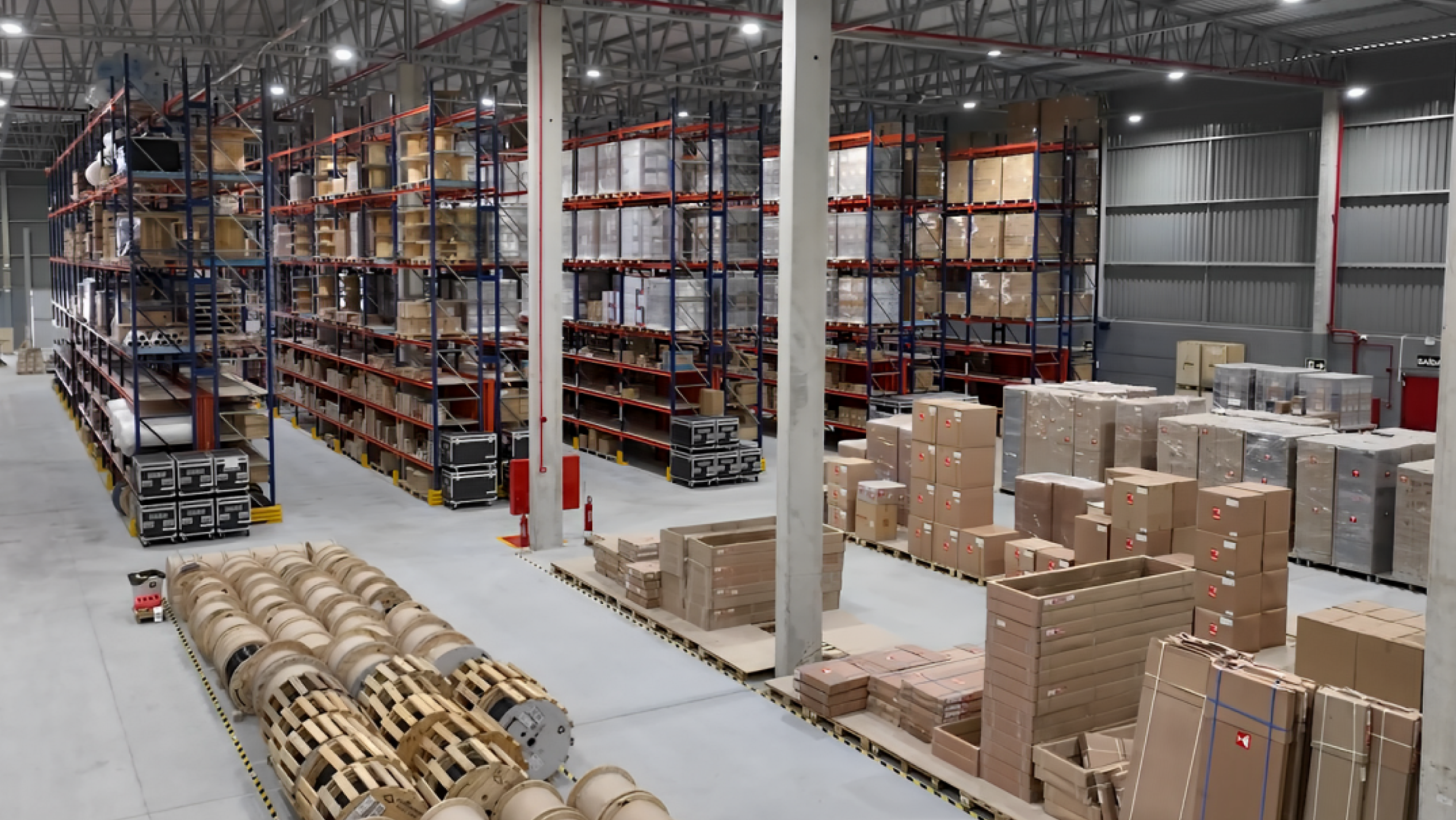
DCA – Araquari Distribution Center
Read now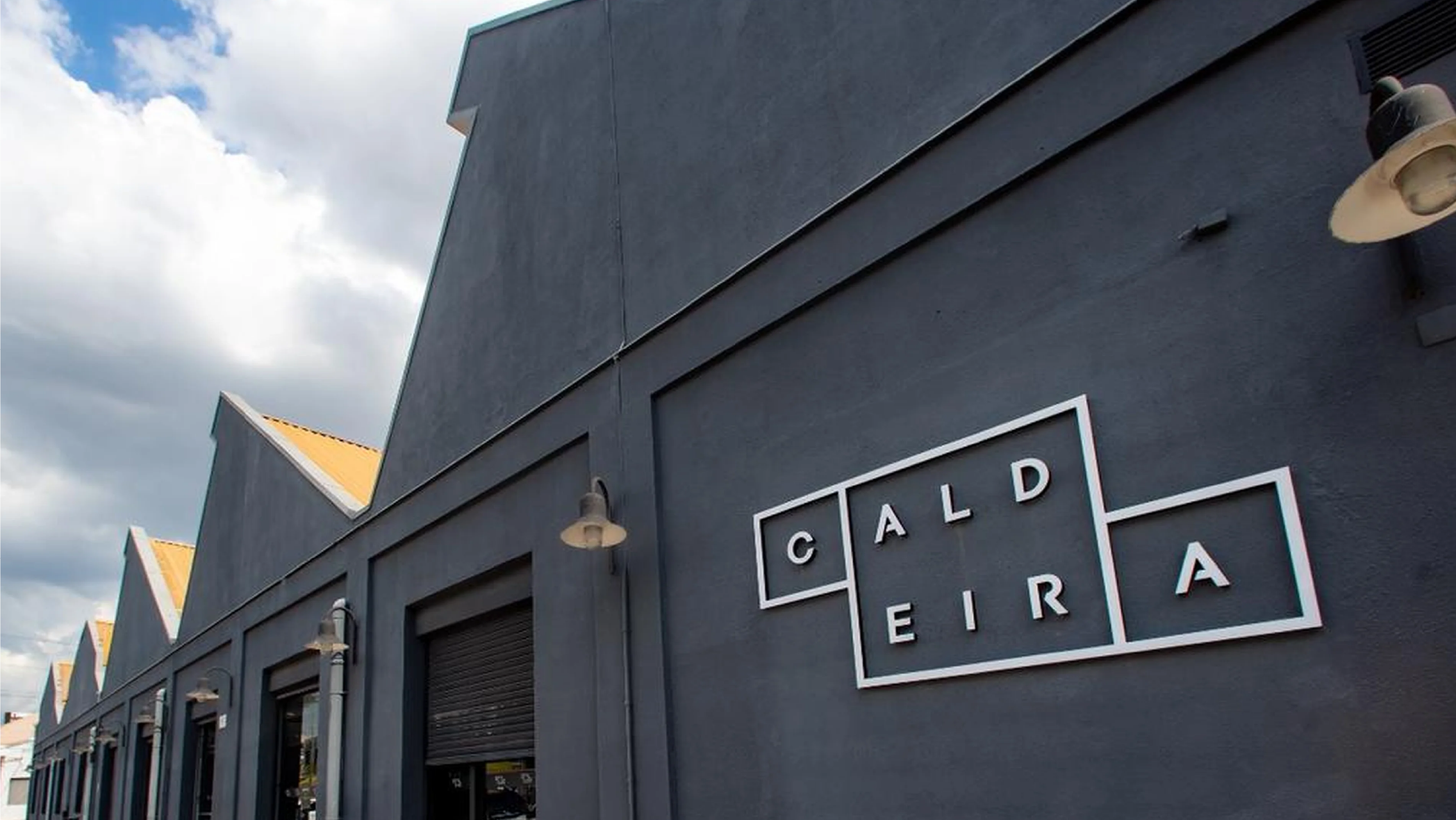
Caldeira Institute
Read now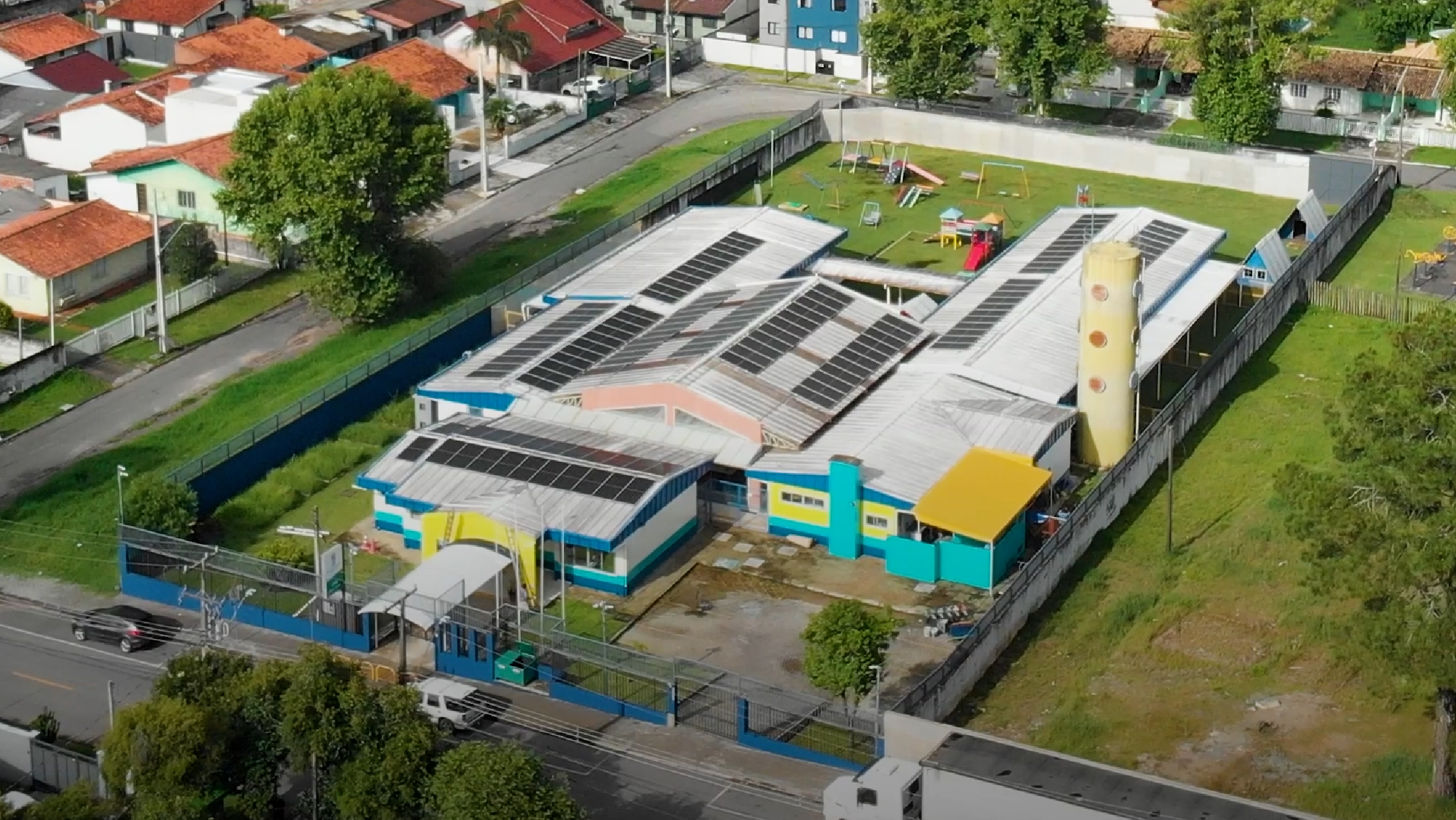
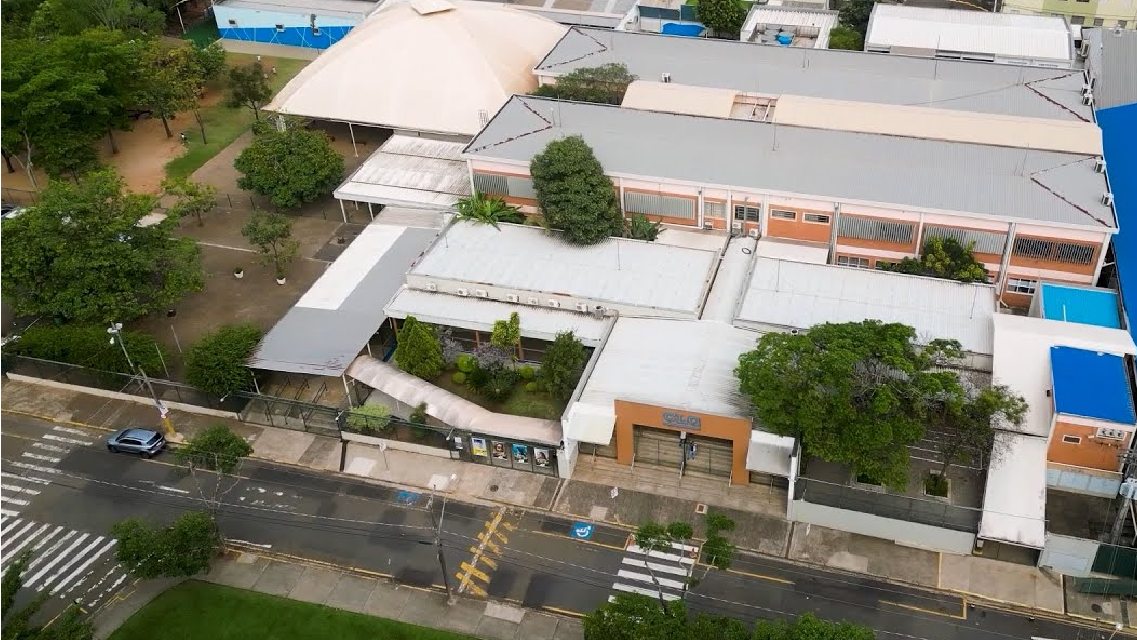
AltoQi
Read now
Potencial Net
Read now
Tarumã City Hall
Read now


Logistics Center
Read now
E-commerce Infrastructure
Read now
The Federation of Commerce of the State of Rio Grande do Sul
Read now
Aurora Winery
Read now
Legislative Assembly – RS
Read now
SC 401 Square Corporate
Read now
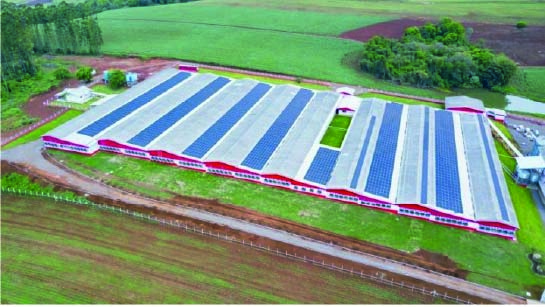
FASA
Read now
Coopavel Rural Show
Read now

Porto Alegre Hospital
Read now
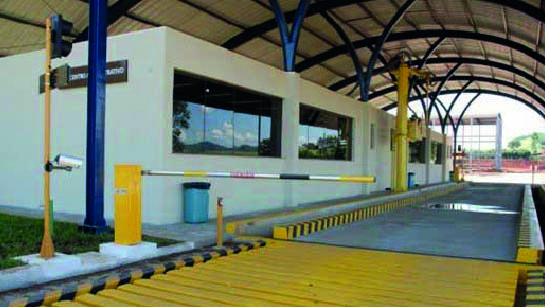
Cooperative – Western Paraná Region
Read now
High-End Residential Condominium
Read now

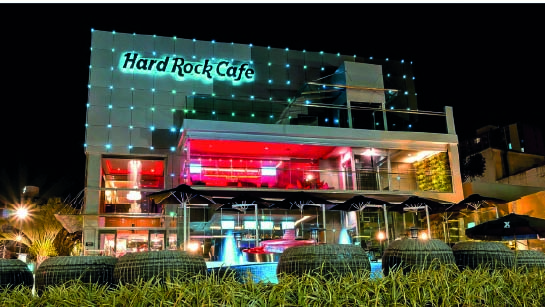
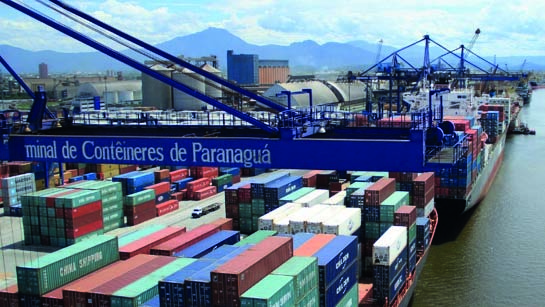
Port of Paranaguá
Read now
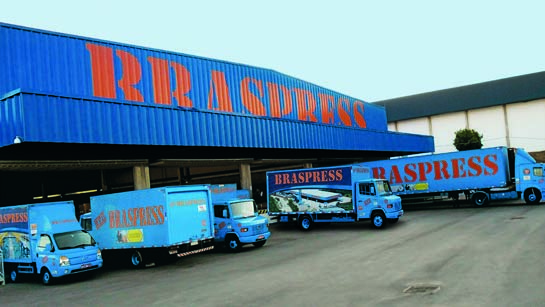
Braspress
Read now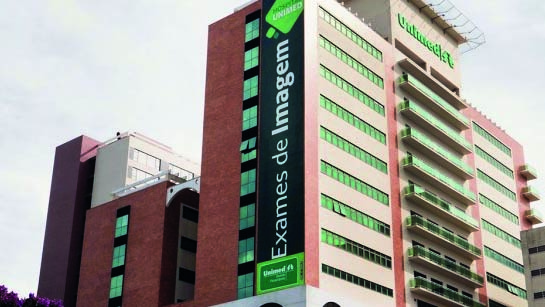
Unimed Hospital – São José
Read now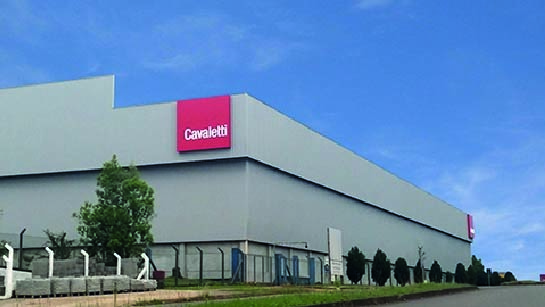
Cavaletti S.A.
Read now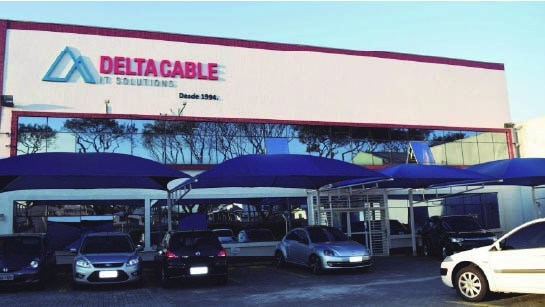
DCA Headquarters (Curitiba)
Read now
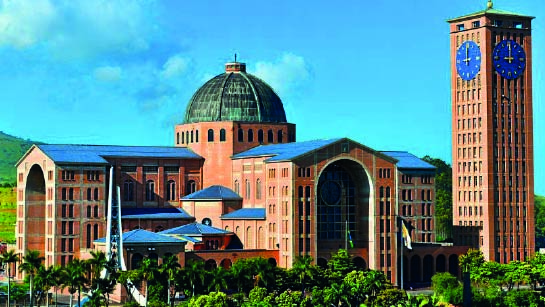
Helbor Magnifique Condominium
Read now
Federal Court of Paraná
Read now
ESSS
Read nowTransform your infrastructure into a strategic advantage.
 4007-2977
 (41) 3021-1728
 contato@dca.com.br


DCA - Delta Cable Americas 2026. All rights reserved. | CNPJ 00.111.511/0001-80
Developed by

